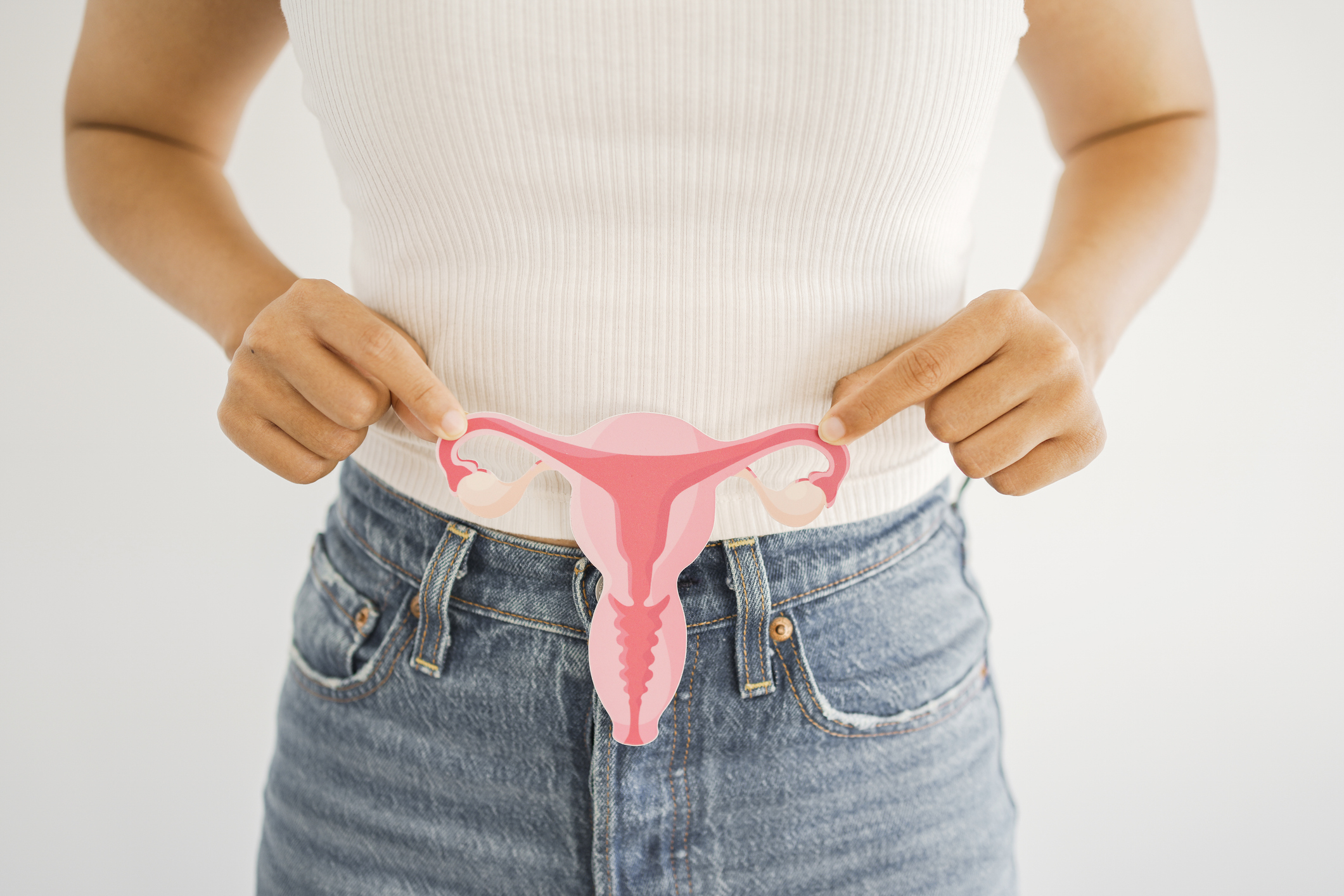


Cycle Tracking: 7 Reasons to Track Your Cycle Carefully
What Exactly Is Cycle Tracking? Definition Cycle tracking involves regularly recording cycle signs such as menstrual bleeding, basal body temperature, and cervical mucus to better...
Von:
Anne Alexander
Last reviewed:

What Exactly Is Cycle Tracking?
Definition
Cycle tracking involves regularly recording cycle signs such as menstrual bleeding, basal body temperature, and cervical mucus to better pinpoint ovulation and fertile days and to identify changes in cycle health. Combining multiple signs (e.g., temperature + cervical mucus) is particularly helpful.
Here’s how to get started in 5 steps
- Choose a tool (app + OvulaRing/thermometer)
- Check your temperature regularly (or every day after waking up)
- Monitor cervical mucus (briefly, every day)
- Make a note of any factors that might interfere (illness, alcohol, shift work, lack of sleep)
- After 2–3 cycles, evaluate your samples
What is this article about?
With cycle tracking, you can record cycle symptoms such as bleeding, temperature, and cervical mucus to better pinpoint ovulation and your fertile days and gain a better understanding of your cycle health. In this post, you’ll find 7 reasons to track your cycle, practical methods, and warning signs that indicate when it’s wise to seek medical advice—whether you’re trying to conceive, looking for hormone-free contraception, or seeking greater body awareness.
More Clarity About Your Cycle, Health, and Fertility with Cycle Tracking
What Happens in the Female Cycle?
Have you ever noticed that you feel different throughout your cycle? Have you experienced changes in your mood, stress tolerance, or physical well-being during your cycle? Even the condition of your skin and hair, your libido, and even your sleep are affected by changes in your cycle. In short, your cycle influences many areas of your life!
The reason for this is hormonal changes throughout your cycle. However, many women are not aware of this and are often surprised when a change becomes disruptive. Depending on life circumstances, there are various reasons why women engage in cycle tracking: So, get to know your personal cycle better now and benefit from it for your life situation – cycle tracking is the perfect tool for this.
What is the Female Cycle from a Medical Perspective?
The female cycle, also known as the menstrual cycle, is a periodic process in a woman’s body that is controlled by a complex interplay of hormones. Upon closer inspection, it can be divided into the following phases: menstruation, follicular phase, ovulation, and luteal phase. This process is primarily regulated by the sex hormones estrogen and progesterone, whose concentrations change throughout the cycle.
Info: A healthy cycle is characterized by ovulation, a sufficiently long second phase of the cycle lasting 12-16 days, and a regularly recurring period.
Your cycle is as unique as you are.
Every cycle is unique. We have found that 70% of women do not have the 28-day “standard cycle.” Their individual cycle is either shorter or longer, but still perfectly healthy! However, cycles do not only differ in length. The individual cycles of one person can also vary greatly. This is partly because psychological stress, physical exertion, illness, shift work, travel, and many other factors can easily influence your cycle.
7 Reasons for Cycle Tracking and How It Can Support You in Your Life Situation
Learn here what medical cycle trackers like OvulaRing can be used for:
1. Cycle tracking increases the chances of getting pregnant
Knowing the optimal time for conception significantly increases the chances of pregnancy.
Only sex on fertile days leads to fertilization. Detailed cycle tracking can even be used for family planning with relatively regular cycles. This allows you to plan a pregnancy with less stress. Know your fertile days precisely and use this knowledge to easily and quickly get pregnant.
2. Cycle observation enables hormone-free contraception and natural family planning
The symptothermal method, a form of cycle tracking, can also be used for natural contraception. It involves observing and evaluating various bodily signs, such as basal temperature, cervical mucus, and the condition of the cervix. Cycle tracking can be used to support natural contraception in cases of relatively regular cycles, although it is not 100% foolproof. Know your fertile days precisely and use this knowledge to contracept naturally and without side effects.
3. Monitoring your cycle provides insight into your health.
By regularly and accurately tracking your cycle, it will be easier for you to recognize and interpret changes and symptoms. Additionally, you will gain insight into your cycle health – anytime and anywhere. A healthy cycle typically includes ovulation and a sufficiently long second phase.
By carefully tracking your cycle, you can become aware of potential cycle disorders early on and seek treatment if necessary. This makes it easier to recognize health issues such as irregular periods, luteal phase defects, endometriosis, or PCOS. Thus, cycle tracking also serves as health monitoring, as it can indicate hormonal imbalances or other health problems. In short, cycle tracking allows for quicker identification and treatment of hormonal cycle disorders.
4. Awareness of your own body, individual fertility, and cycle characteristics
With cycle tracking, you can more easily understand how your lifestyle affects your cycle and vice versa. Only with precise cycle tracking can you optimize the strengths of each phase of your cycle for your daily life. This allows you to lead a cycle-aware life.
Increase awareness of your body and your individual fertility, and get to know your cycle’s unique characteristics. By tracking your cycle, you will also learn to recognize and interpret your PMS symptoms more clearly. This way, you’ll be better prepared for any accompanying symptoms before your period.
Bonus Advantage: Experience even more intense orgasms with cycle tracking, as your libido changes depending on the phase of your cycle. It can be significantly stronger on your fertile days!
5. Optimize your nutrition and boost your fitness with cycle tracking.
Did you know that in the different phases of your cycle, certain nutrients and types of physical activity are particularly beneficial for you? You can improve your well-being by adapting your diet to your individual cycle. Simply put, different hormones require different nutrients to work effectively. If you want to eat in a hormone-friendly way, cycle tracking is particularly helpful.
Your fitness and training sessions can also be optimized through cycle tracking. For example, around ovulation, you are more prone to injuries. Therefore, different types of training are beneficial during different phases of the cycle. Use your cycle to train more efficiently while preserving your fertility. This is already being strategically used in elite sports to better understand performance and adjust training accordingly.
A better alignment of nutrition and exercise with your cycle therefore promotes your health and performance.
6. Understanding your cycle strengthens your feminine self-confidence and self-empowerment.
Self-empowerment and a strengthened sense of feminine self-confidence are valuable effects of precise cycle tracking. It fosters awareness of your body, allowing you to take more responsibility for your health and well-being. You will learn to communicate confidently with your doctor, who often doesn’t have the time to address all your individual cycle characteristics in detail. Cycle tracking can also help you stop being surprised by mood swings and align yourself with your own rhythm. By closely tracking your cycle, you will understand what’s happening in both your cycle and your body.
7. Stress Management
Stress management is another benefit of cycle tracking. It helps you better identify stress triggers throughout your cycle and develop more conscious stress management strategies. By knowing your cycle length and patterns, you can, for example, predict when PMS symptoms might arise and when your next period will begin. You can even improve your sleep quality by understanding your cycle and introducing cycle-aware routines when needed. This can lower your stress levels and increase your productivity.
Become aware of the phase in your cycle when your concentration is at its peak, and use this to your advantage in daily life. This reduces frustration and allows you to relax without guilt during phases with lower concentration.
How do I track my cycle most effectively?
There are indeed a variety of tools that can be used to track the cycle. Each technique has its strengths and weaknesses depending on the specific application.
Modern cycle tracking offers many more possibilities. Start now and become familiar with your individual cycle! A solid foundation for this is the accurate recording and digital evaluation of your cycle using a medically approved method like OvulaRing.
Conclusion
Cycle tracking offers you many benefits. By carefully monitoring your cycle, you always have a clear view of your cycle health, wherever you are. Knowing when your fertile days are, you can plan to conceive more easily or use natural family planning methods for contraception. Additionally, you can more easily understand how your lifestyle affects your cycle and detect and treat hormonal cycle imbalances sooner. Only with precise cycle tracking can you fully optimize the strengths of each phase for your daily life. This allows you to live in harmony with your cycle phases and lead a cycle-conscious life.
Frequently Asked Questions About Cycle Tracking (FAQ)
Cycle tracking involves systematically observing and documenting your menstrual cycle—for example, your period, basal body temperature (BBT), cervical mucus, symptoms, and, if applicable, ovulation tests. The goal is to identify patterns in your cycle, pinpoint ovulation more accurately, and gain insights into your cycle’s health. Cycle tracking can be helpful when trying to conceive, for hormone-free contraception (NFP), and for improving body awareness.
The most reliable way to tell when you’re ovulating is to look for a combination of physical signs:
Rise in temperature (basal body temperature): After ovulation, the basal body temperature typically rises and remains elevated until menstruation begins. This rise indicates that ovulation has occurred.
Cervical mucus: Around the time of ovulation, the cervical mucus often becomes clear, stretchy, and moist (high fertility).
LH tests (ovulation tests): They indicate a surge in LH, which usually occurs 24–36 hours before ovulation (though this is sometimes less reliable in cases of PCOS).
The most accurate method is the combination of temperature and cervical mucus (symptothermal method). This allows you to pinpoint your fertile days more accurately than with just one indicator.
A period tracking app that doesn’t require tracking (just a calendar) can roughly track your cycle, but it can only provide an estimate when it comes to determining ovulation and fertile days. Apps typically use average values and past cycles to make predictions—so if you’re dealing with stress, illness, travel, breastfeeding, or irregular cycles, those predictions are more likely to be off.
If you really want to pinpoint your ovulation or fertile days more accurately, use an app that tracks your actual body data, such as your basal body temperature and/or cervical mucus. This makes tracking much more reliable.
Many people start to notice patterns after 2–3 cycles, but 3–6 cycles are recommended for a more reliable picture. How quickly you start to see clear patterns depends on how regularly you track your cycle and how consistent your daily routine is (sleep, stress, shift work).
Type: Track as consistently as possible:
– Take your temperature every day at around the same time after getting a good night’s sleep
– Check your cervical mucus daily
– Note any special factors (illness, alcohol, lack of sleep, travel)
This makes analyses faster and more reliable.
The luteal phase is the second phase of the menstrual cycle, lasting from ovulation until the start of menstruation. For many people, a “normal” luteal phase lasts about 12–16 days. During this phase, the body produces more progesterone, and the basal body temperature usually remains elevated.
Important: Individual variations may occur. However, if your luteal phase is consistently very short (e.g., consistently less than ~10–11 days) or if you repeatedly fail to see a clear rise in temperature, it may be a good idea to consult a doctor—especially if you are trying to conceive.
With PCOS (polycystic ovary syndrome), cycles may be more irregular, and ovulation may be less frequent or harder to predict. To ensure that cycle tracking remains helpful for PCOS, keep the following in mind:
Calendar forecasts are often inaccurate: Don’t rely solely on app estimates.
LH tests may often show a “positive” result: In PCOS, LH levels may be elevated, or there may be multiple spikes without ovulation following. Use LH tests as a supplementary tool, not as the sole method.
Temperature is particularly valuable: A sustained rise in temperature helps confirm ovulation in retrospect.
Monitoring cervical mucus: This can provide clues about fertile periods, but it varies from person to person.
Patience & longer period: Plan for at least 6 cycles to identify meaningful patterns.
If you are trying to conceive or have not had a period for a very long time, it is advisable to seek medical evaluation to discuss the causes and available options (e.g., cycle regulation, ovulation induction, lifestyle factors).
References
- generation-pille.com generation-pille.com
- NetDoctor – Menstrual cycle: Everything you need to know
- Pharmacy Review – Tracking your cycle to determine fertility