

Too much exercise can reduce your fertility
Do you enjoy pushing yourself to the limit and working out until you’re exhausted every day? The number of gyms has skyrocketed in recent years,...
Von:
Anne Alexander
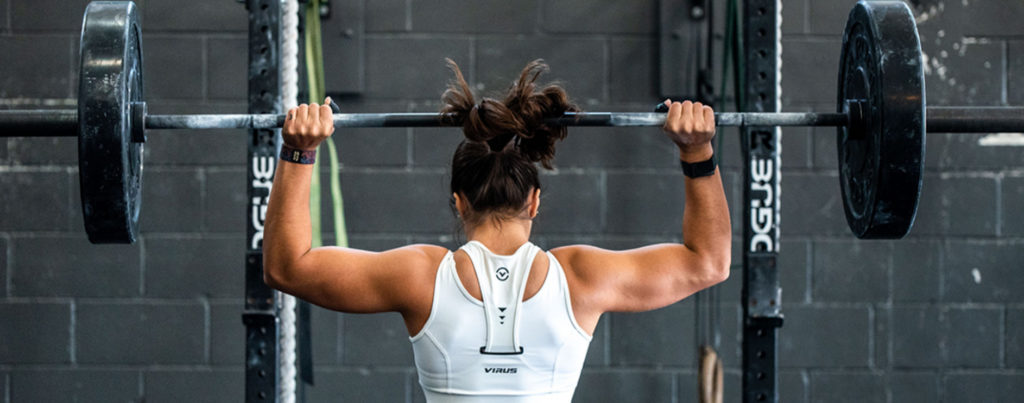
Do you enjoy pushing yourself to the limit and working out until you’re exhausted every day? The number of gyms has skyrocketed in recent years, and the fitness trend is now everywhere. Advertising posters feature jogging, toned, super-slim, and successful women. As we all know, sports and exercise are healthy and keep you fit. But be careful: too much training can reduce fertility. This is shown by an analysis of a total of 9 international studies on the topic of sports and infertility by the portal MeineFitness.net.
No longer than 60 minutes per session
It turns out that the dose makes the poison: when trying to conceive, moderate exercise is the better choice. Slim women who exercise five to seven times a week are three times more likely to experience fertility problems. It is not the type of exercise that matters, but rather the intensity at which it is performed. The longer the workout lasts, the higher the risk. A workout lasting over 60 minutes per session has been shown to reduce fertility in slim women. The intensity of the workout is also crucial. Women who exercise to the point of exhaustion or at a particularly high intensity are more likely to suffer from infertility than women who engage in moderate exercise. However, these rules do not apply to overweight women, as a healthy BMI has a major impact on fertility. The reason for increased infertility due to excessive exercise is that, below a certain (individually varying) minimum weight, the body—in the interest of self-preservation—first reduces reproductive function and eventually shuts it down. In a state of “emergency mode,” pregnancy places too great a strain on the body and consumes too much energy, whether due to an eating disorder or increased energy expenditure from excessive exercise.
Rest for the body
Top female athletes are particularly prone to menstrual irregularities, which can make it take longer for them to conceive. Fortunately, however, the body has the ability to recover. If a healthy woman reduces her exercise regimen, her fertility will also increase. By the way: During intense exercise, your core body temperature can rise to as high as 39°C! This “exercise peak” is clearly visible in the cycle curve, the cyclofertilogram. If you’re trying to conceive, don’t exercise more than 3 times a week—and under no circumstances to the point of exhaustion! Don’t exercise for more than 60 minutes at a time, and make sure to eat enough healthy food before and after your workout to replenish your energy reserves.
If you’re unsure whether your fertility might be affected by too much exercise, you can use OvulaRing. OvulaRing reliably tracks your ovulation and fertile window every cycle. This allows you to monitor whether your exercise routine is still healthy and isn’t negatively impacting your fertility.