Trying to conceive and PCOS: Frequently asked questions & answers
Many women with polycystic ovary syndrome worry whether they will ever be able to get pregnant. PCOS is one of the most common hormonal disorders...
Von: Anne Alexander

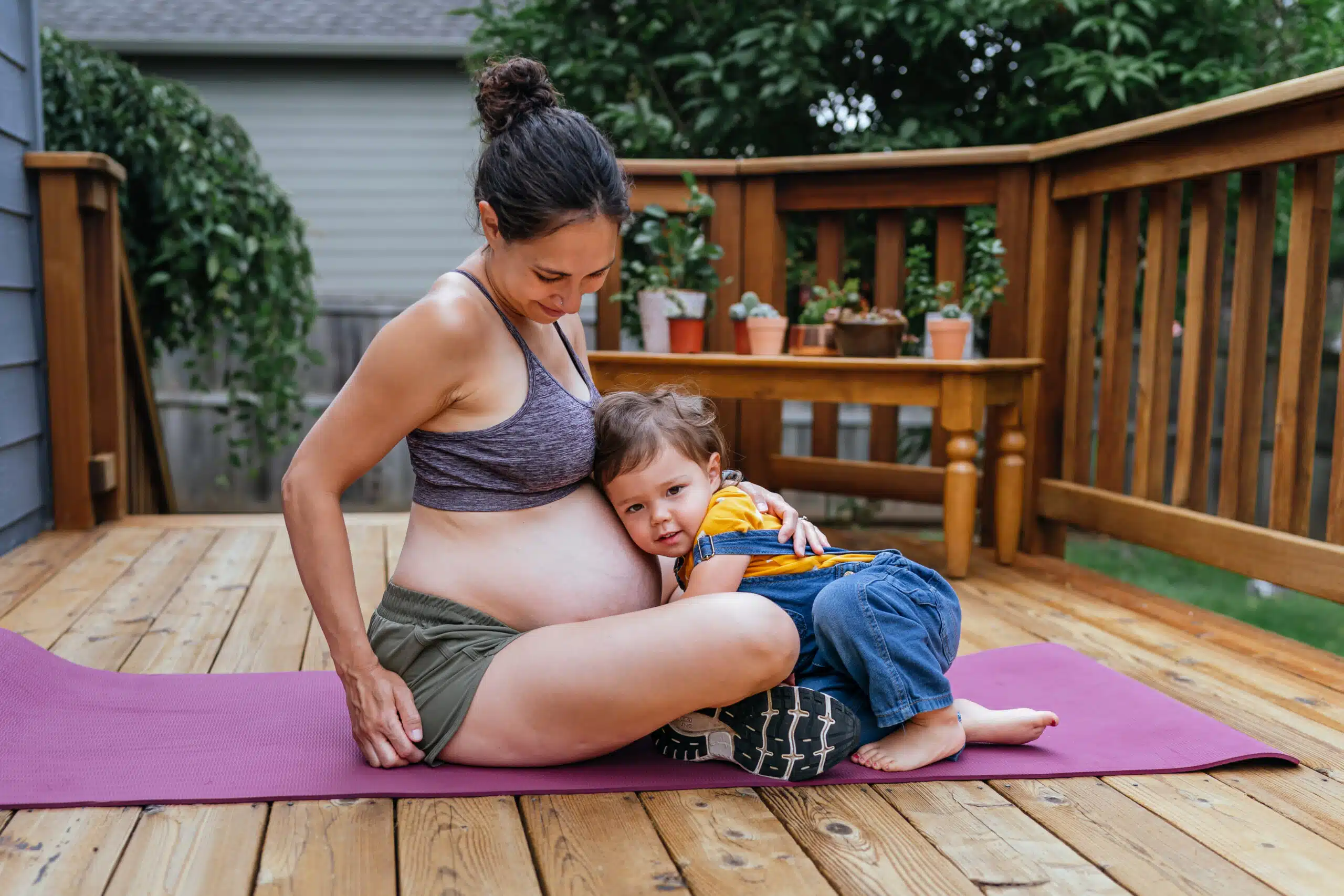
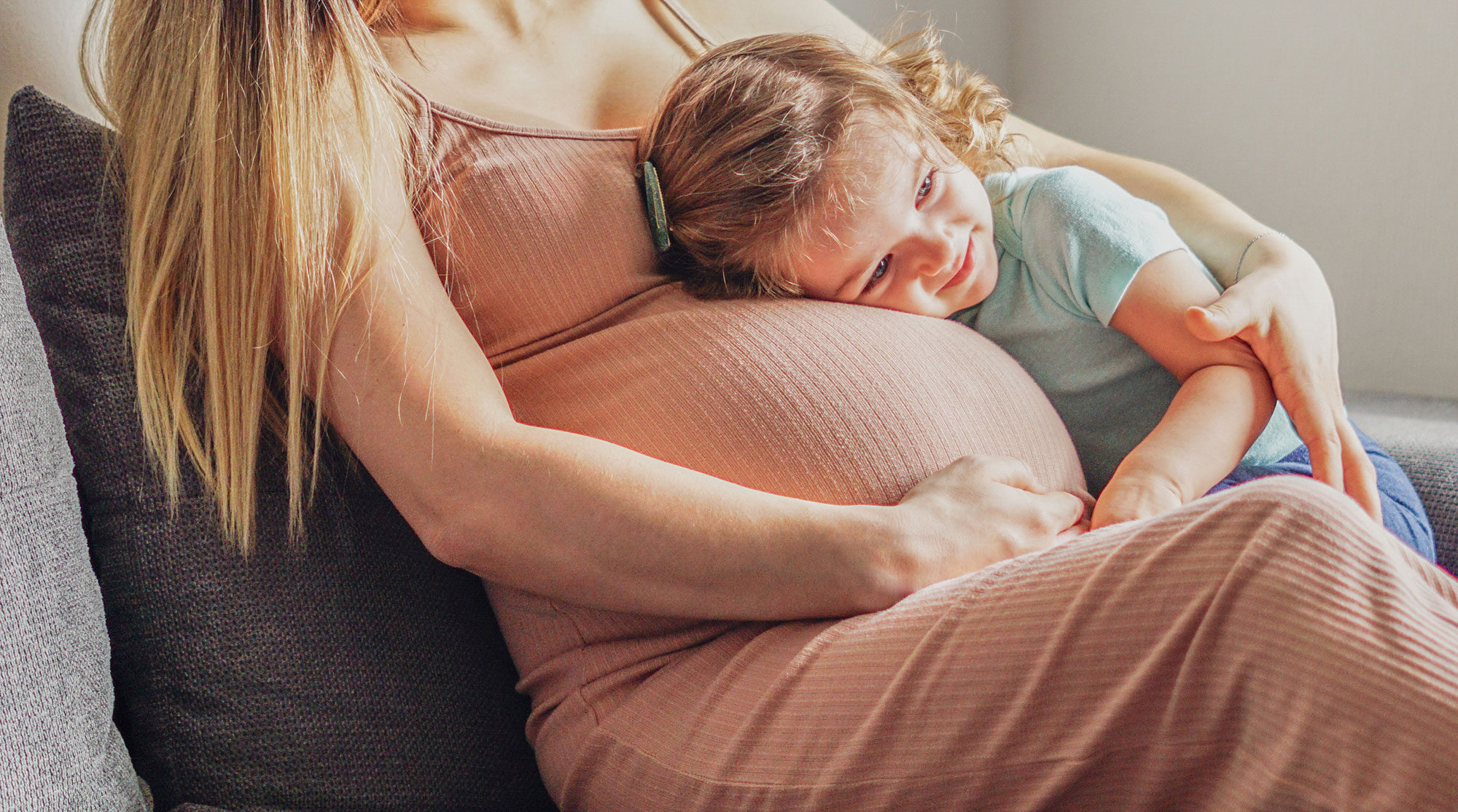
Many women with polycystic ovary syndrome worry whether they will ever be able to get pregnant. PCOS is one of the most common hormonal disorders in women of reproductive age and often comes with irregular cycles or missing ovulation. That can quickly create uncertainty – especially when the desire for a baby is strong. The good news: pregnancy is possible even with PCOS, often even naturally.
The essentials at a glance
- You can get pregnant naturally even with PCOS – ovulation happens less often, but it does happen.
- Identify late ovulations in time – continuous cycle tracking (e.g., with OvulaRing) makes them visible.
- Support hormonal balance – diet, stress management and gentle movement can help.
- Ovulation tests are often unreliable with PCOS – chronically elevated LH can lead to false results.
- OvulaRing is validated for PCOS and trying to conceive – it records your cycle without gaps, even with irregular cycles.
1. Does PCOS always mean I’m infertile – or can I still get pregnant?
PCOS does not automatically make you infertile. You can get pregnant – and often naturally! Although many women with PCOS struggle with trying to conceive, studies show something important: far more women with PCOS ovulate than previously assumed. More than one third of those affected have fertile days and can therefore become pregnant. However, with PCOS, ovulation usually happens much less often and later in the cycle and therefore often goes unnoticed.
2. How can I tell with PCOS whether I ovulate?
Tracking down ovulation with PCOS isn’t always easy. Even doctors can miss it because, unlike in a typical cycle, it often occurs much later. But with precise 24/7 cycle tracking, the guessing game ends. For this you can use OvulaRing’s continuous tracking. OvulaRing records without gaps and captures your full cycle. That way, even with PCOS, you can see if and when you ovulate – no matter how late it occurs. This gives you clarity about your cycle health so you don’t lose valuable time. Read more about it in our blog post!
3. How can I naturally regulate my hormones with PCOS?
PCOS is based on a complex hormonal imbalance, which can cause cycle disturbances. For example, women with PCOS often have elevated levels of male hormones. Adrenal fatigue and insulin resistance are also associated with PCOS. But there are things you can do to help your hormones regulate again. A healthy, fresh and balanced diet is recommended, for example. It can also be helpful to avoid wheat and cow’s-milk products. On the one hand, many women with PCOS tolerate them less well; on the other hand, they are associated with inflammatory processes in the body.
Equally important: good stress management and avoiding overly exhausting workouts. They are pure stress for your body. Walks in nature, relaxing yoga and meditation, on the other hand, give your body rest and recovery and have been shown to reduce the release of the stress hormone cortisol. This can have a positive effect on hormonal balance and relieve PCOS symptoms.
Want to dive deeper? Here are more tips on how you can regulate your hormones naturally.
4. Can I get pregnant naturally with PCOS?
Are you worried whether you can get pregnant naturally with PCOS? PCOS does not have to be a stop sign. Because: a natural pregnancy is often possible even with PCOS. Studies show that far more women with PCOS ovulate than previously assumed.
However, most women with PCOS have no idea if and when they ovulate. Even at your doctor’s, very late ovulations can remain undetected. Women are therefore often referred to fertility clinics too quickly, even though they could conceive naturally. With OvulaRing you can easily find out whether you also ovulate despite PCOS and when it happens in your cycle. That way you can plan your time together better and increase your chances of conceiving naturally.
5. Is OvulaRing also suitable for PCOS and trying to conceive?
Yes! OvulaRing has been validated beyond the standard cycle and is also suitable for PCOS, long or irregular cycles and trying to conceive. Thanks to automatic temperature measurement inside the body, the cycle can be recorded seamlessly for the first time. This way you won’t miss your ovulation and fertile days anymore – even with PCOS.
However, don’t rely on inaccurate ovulation tests. They measure the LH concentration in urine, which is supposed to be highest shortly before ovulation. With PCOS, LH levels are often chronically elevated. In that case, an ovulation test would falsely show a positive result. LH tests are therefore not recommended with PCOS. Learn here why ovulation tests are not reliable.
Conclusion: Getting pregnant with PCOS is possible
PCOS and trying to conceive do not have to be mutually exclusive. Even if the diagnosis can feel unsettling at first, studies and the experiences of many women show: a natural pregnancy is possible even with PCOS. What matters is identifying your cycle and possible ovulations correctly – even when they are irregular or delayed. OvulaRing can be a great support here as a reliable cycle-tracking tool.
With a healthy lifestyle, targeted hormone support and the right knowledge about your body, you can significantly improve your chances of getting pregnant. Don’t get discouraged – PCOS is not an insurmountable obstacle on your path to pregnancy.
Sources/References
- PubMed Central (PMC), Phy JL et al., A Low Starch/Low Dairy Diet Improves Insulin Sensitivity and Sex Hormone Parameters in Women with Polycystic Ovary Syndrome, 2015, Link
- PubMed Central (PMC), Xenou M et al., The effect of a low starch/low dairy diet on PCOS metabolic and hormonal outcomes, 2021, Link
- PubMed Central (PMC), Marschalek J et al., Increased cortisol levels in women with polycystic ovary syndrome: a systematic review and meta-analysis, 2023, Link
- Middle East Fertility Society Journal, Ijaz S et al., Role of luteinizing hormone and FSH ratio in polycystic ovarian syndrome: a review, 2025, Link