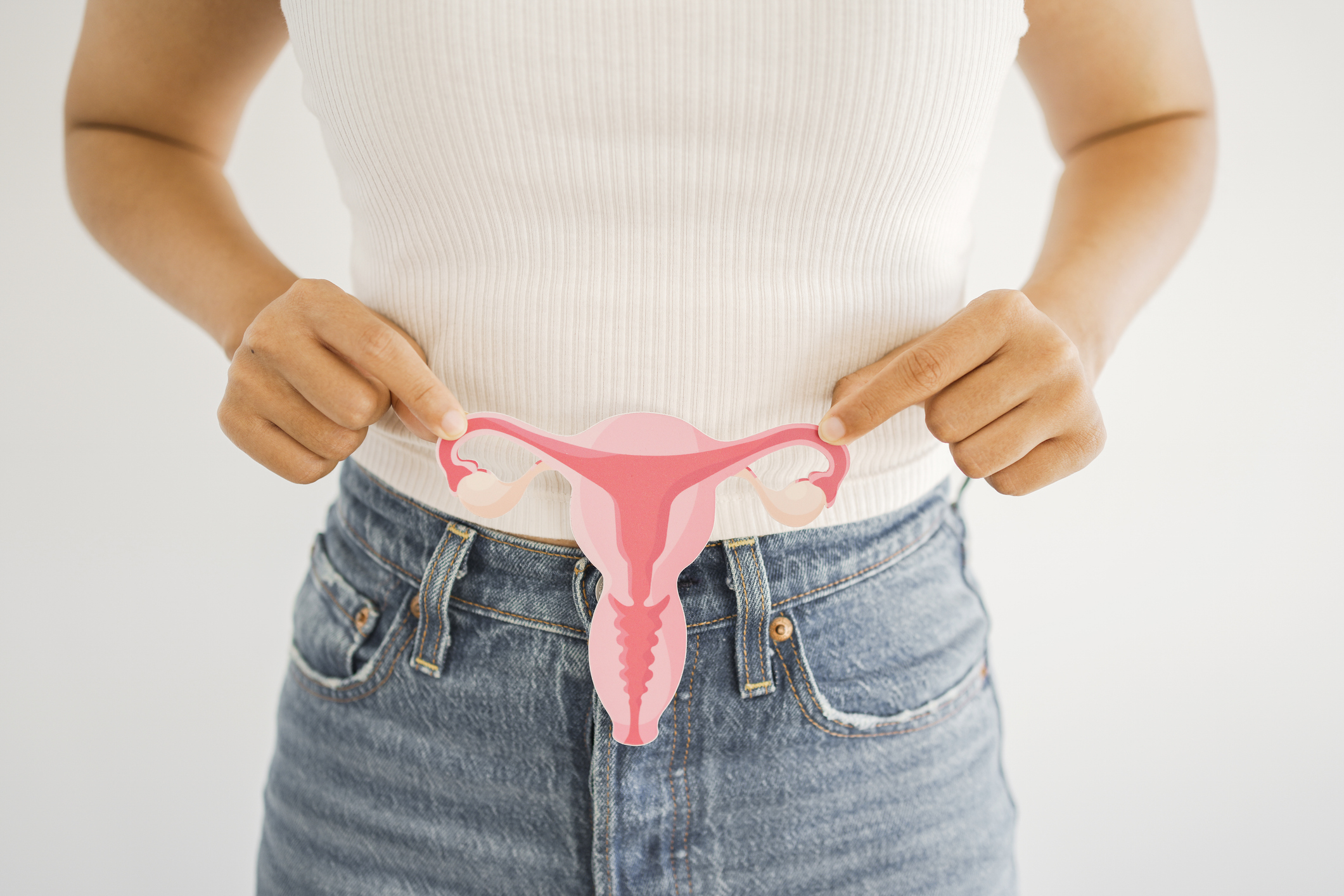


How can I relieve my PCOS symptoms naturally?
Today we’d like to give you some tips on how to Hormones in PCOS restore your balance naturally. Do you suffer from severe PCOS symptoms?...
Von: Anne Alexander

Today we’d like to give you some tips on how to Hormones in PCOS restore your balance naturally. Do you suffer from severe PCOS symptoms? Find out here how you can naturally relieve your symptoms.
Hormonal imbalance as a cause
In conventional medicine, PCOS is usually treated exclusively with hormonal medications such as the birth control pill or the diabetes drug metformin. The reason is simple: the birth control pill inhibits the production of male hormones in the body and is therefore intended to help combat virilization and skin problems such as oily skin and acne. However, these treatment methods do not address the underlying cause—essentially the root of PCOS—namely the hormonal imbalance, so that once the pill is discontinued, PCOS will return with all its symptoms and discomforts. To treat the true causes of PCOS, holistic and natural approaches are recommended, which can effectively manage many of the symptoms.
Proper Nutrition
Food is medicine! The single most important step you can take to stay healthy and fit despite PCOS is to proper nutrition. Your diet can directly influence your hormones. This makes it possible to effectively manage hormone release—such as insulin—and reduce excess weight and PCOS symptoms. However, simply cutting calories won’t be enough to see results.
What kind of diet can help you?
Many women with PCOS find that a gluten- and dairy-free diet, along with avoiding sugar, is helpful. PCOS is an inflammatory condition that is often associated with insulin resistance. Removing gluten-containing foods from the diet helps combat inflammation in the body. This, in turn, makes it easier to lose weight. A dairy-free diet can also contribute to a healthy lifestyle for those with PCOS. Scientists have shown that high dairy intake increases insulin secretion and resistance. Therefore, a combination of a gluten- and dairy-free diet with avoiding white sugar and highly processed foods, along with a protein-rich diet, is best for PCOS. When avoiding sugar, also watch out for hidden sugars, such as those found in ketchup and sodas, as well as in sweets and pasta. Vegetables should also always make up the largest portion of your plate. They are particularly rich in fiber and contain many healthy minerals. Adequate protein intake can stabilize blood sugar and promote a pleasant feeling of fullness. Healthy fats rich in omega-3 fatty acids should also be a daily part of your meals.
Not sure how to incorporate the new meal plan into your daily routine? In her book *Living with PCOS*, PCOS expert Julia Schultz has created many delicious gluten- and dairy-free recipes for every PCOS type and shows you how you can easily manage your PCOS with the right diet. You can find more information here here.
Exercise and Weight Loss
Exercise is an important factor if you want to alleviate your PCOS symptoms, yet it is often neglected by women with hormonal issues. This applies even to slim women. For those with a high BMI, weight loss has been shown to have a positive effect on fertility. When overweight women with type 2 diabetes and PCOS reach a healthy weight, both their metabolism and their menstrual cycle often normalize. Even a 5% weight loss can lead to a reduction in androgens and insulin, as well as a normalization of menstrual cycle patterns and more cycles with ovulation. Unfortunately, with PCOS, losing weight isn’t that simple, because intense exercise won’t yield results. On the contrary: it can even have a negative effect on your hormones! To lose weight with PCOS, the underlying hormonal imbalance must be addressed. High-intensity interval training only promotes the release of stress hormones in the body, which in turn leads to weight gain. If the body is too stressed, it tends to store more fat. Often, women who train too hard actually gain weight or simply cannot lose it.
What can help here?
Exercises performed at a slow pace are more suitable, as they help prevent the release of stress hormones. That’s why low-intensity workouts using light weights are ideal for PCOS, since they help keep hormones in balance while you lose weight. So, aim for gentler workouts overall and shorter sessions. Also, be sure to take two days off each week.
Stress prevention
It has long been known that stress can make you sick. However, many people with PCOS are unaware that it can lead to a worsening of symptoms. For example, too much stress can lead to adrenal-induced PCOS. In this case, PCOS is driven by an increased stress response. If the adrenal glands are overstimulated by stress, it can trigger a simultaneous release of androgens. Chronic stress can also cause cells to stop responding properly to insulin. This, in turn, can lead to insulin resistance—a vicious cycle. Furthermore, stress can also lead to a decrease in thyroid hormone levels, which reduces metabolic activity throughout the body.
What can help with stress?
The keys to success here are avoiding stress, managing it effectively, and taking rest days from your workout routine. Gentle (!) yoga or slow walks in nature can serve as active ways to recharge from a hectic daily routine or as a complement to your workout. Meditation also brings your body a great deal of peace and relaxation. Walks in nature, relaxing yoga, and meditation have been shown to reduce the release of the stress hormone cortisol. This can have a very positive effect on your PCOS and alleviate symptoms.
Conclusion
Making lifestyle changes should always be the first step toward rebalancing your hormones if you have PCOS. By making many (small) lifestyle changes—such as eating a healthy diet, losing weight, exercising regularly, and practicing mindful relaxation techniques—you can take a big step toward healing. Find out what’s good for your body and trust your intuition. PCOS expert and hormone coach Julia Schutz offers many valuable tips and suggestions on how to manage your PCOS in a gentle and natural way. Through coaching, you can receive personalized guidance from her to help you find the path that works best for you.
Julia Schultz. https://www.juliaschultz.net/
Treat PCOS naturally. https://www.juliaschultz.net/pcos-natuerlich-heilen/
Do you work in a medical practice and want to better understand your patients’ cycles? Here you’ll find all the information you need about Using OvulaRing in Practice.